
Philippines
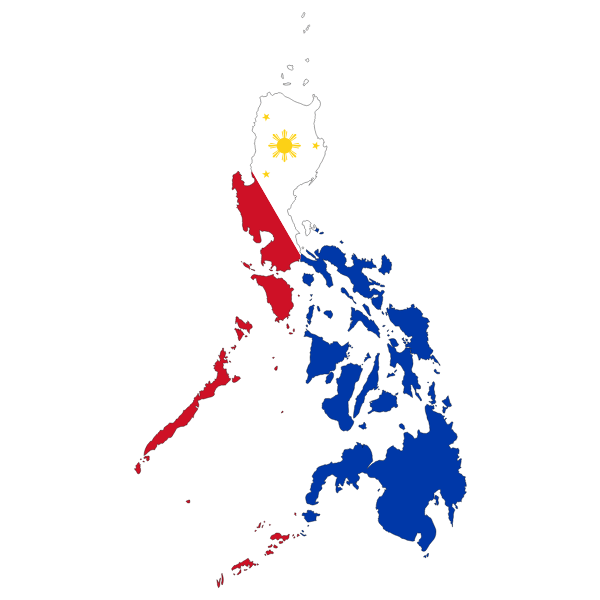
Named after King Phillip II of Spain, the Philippines is the thirteenth most populous country in the world with 109 million people as of 2021. The country is made up of approximately 7,641 islands in Southeast Asia and it gained its independence from the US and Spain in 1946.
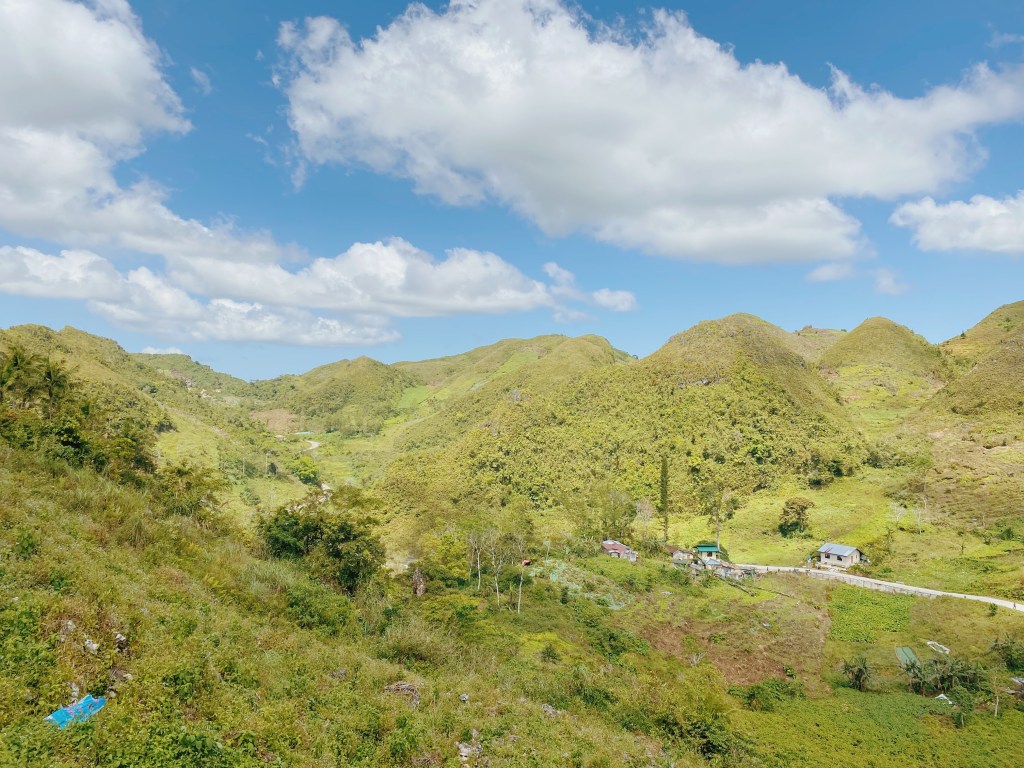
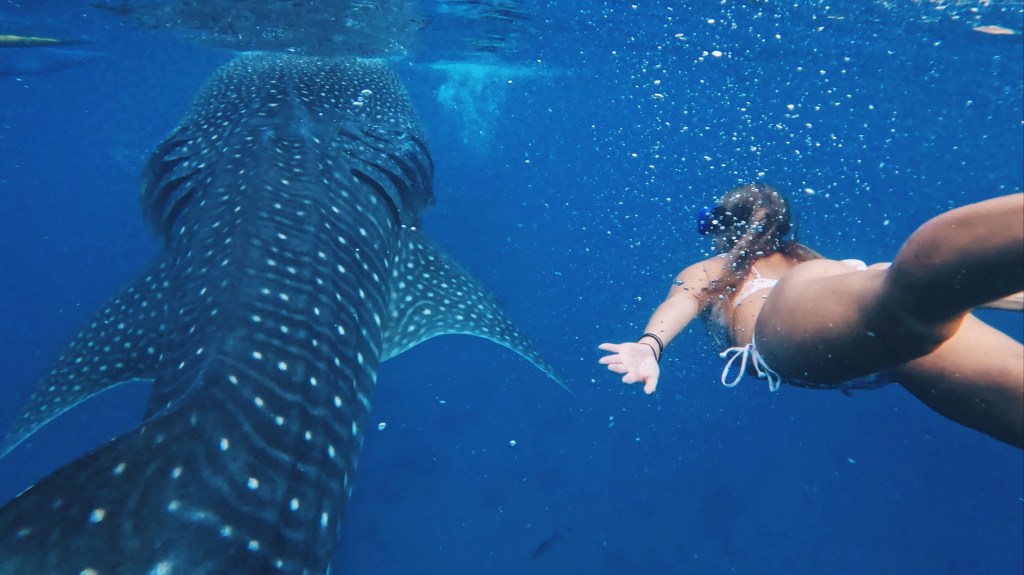


Bucket List Experiences
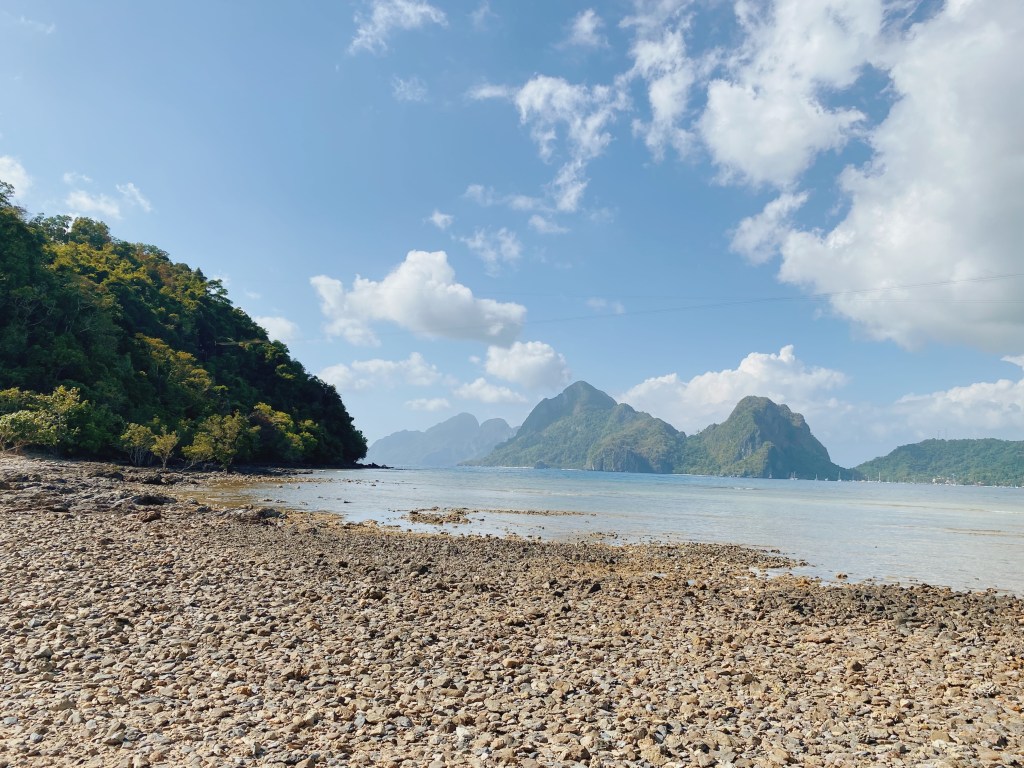
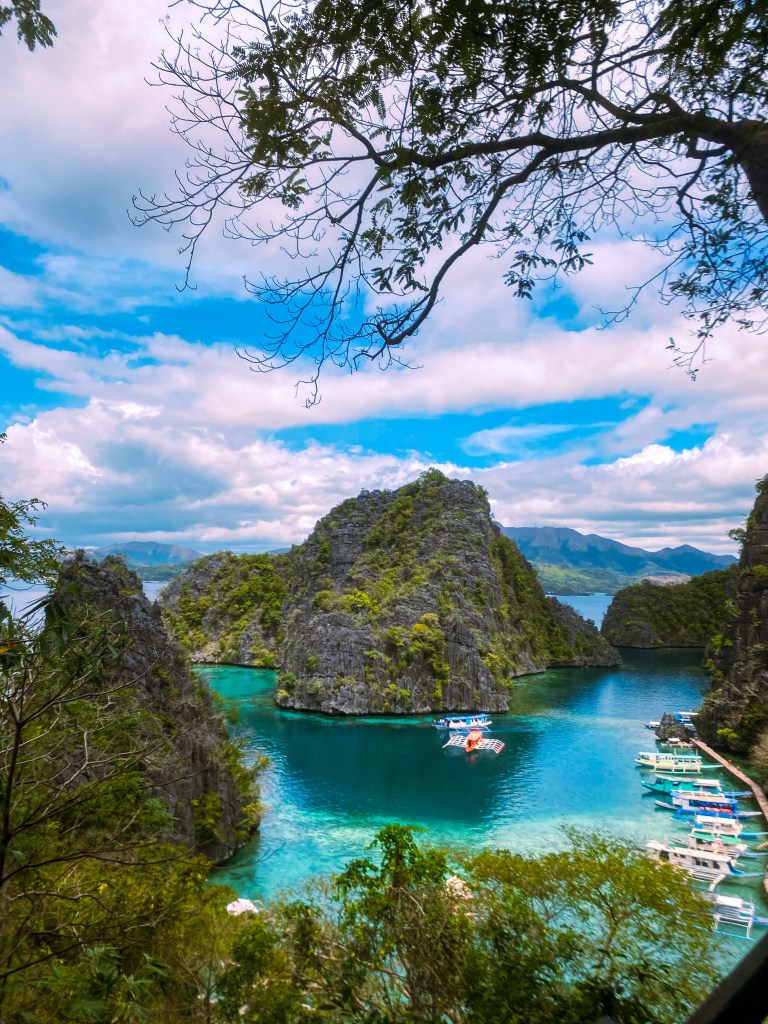
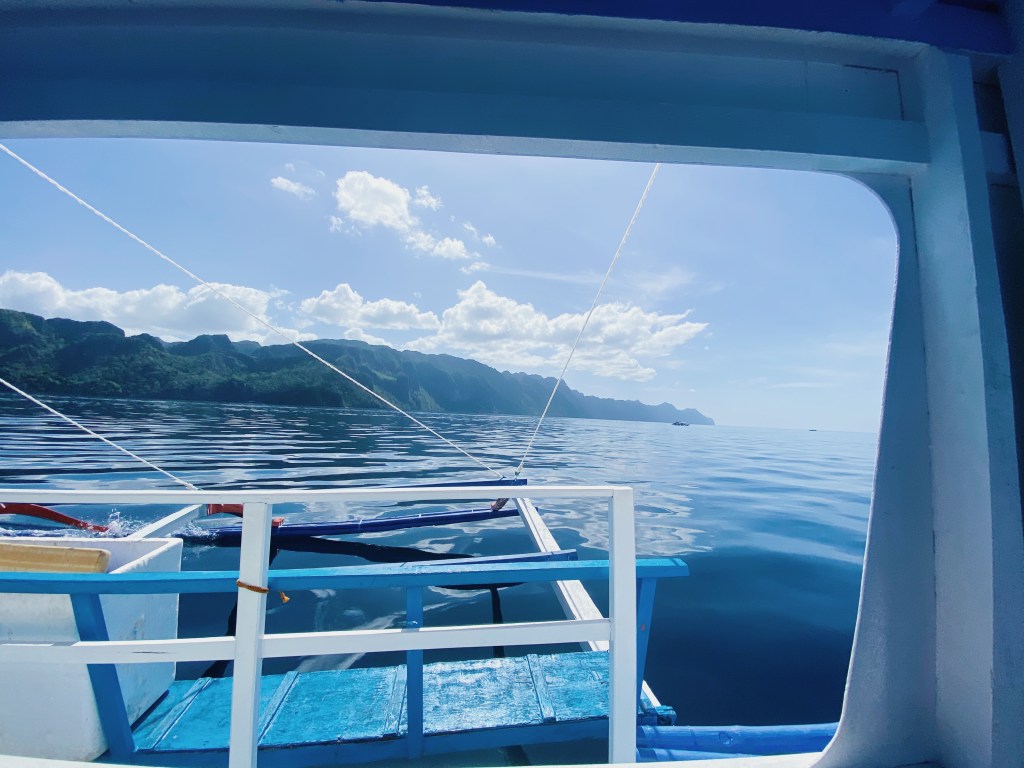
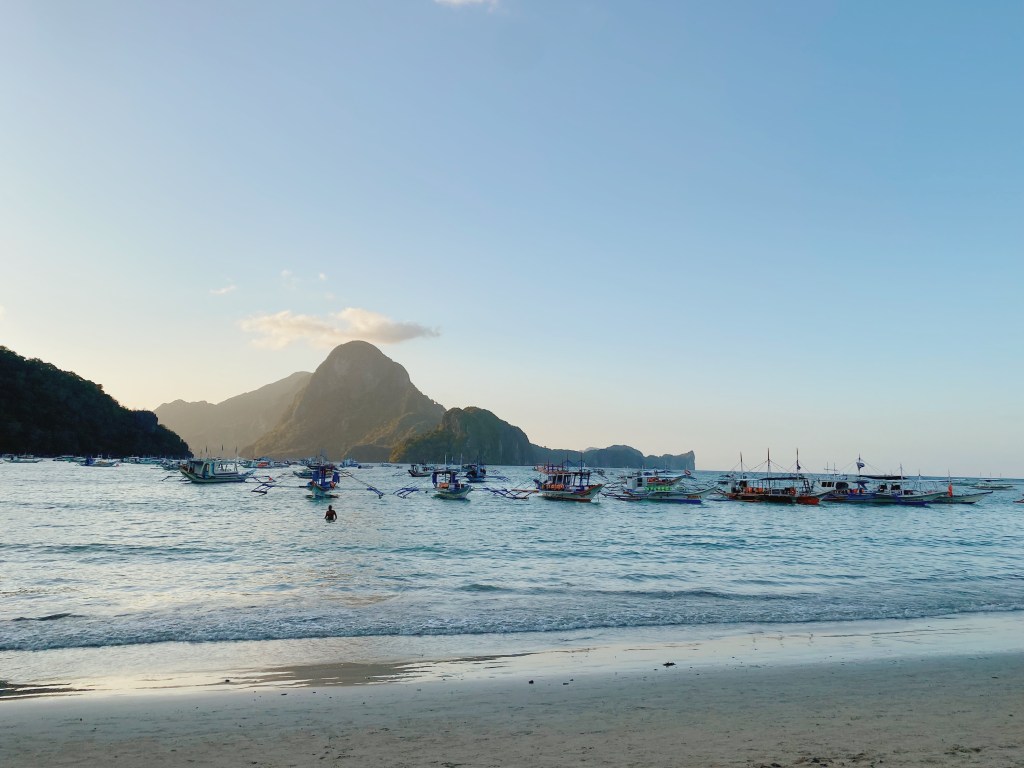
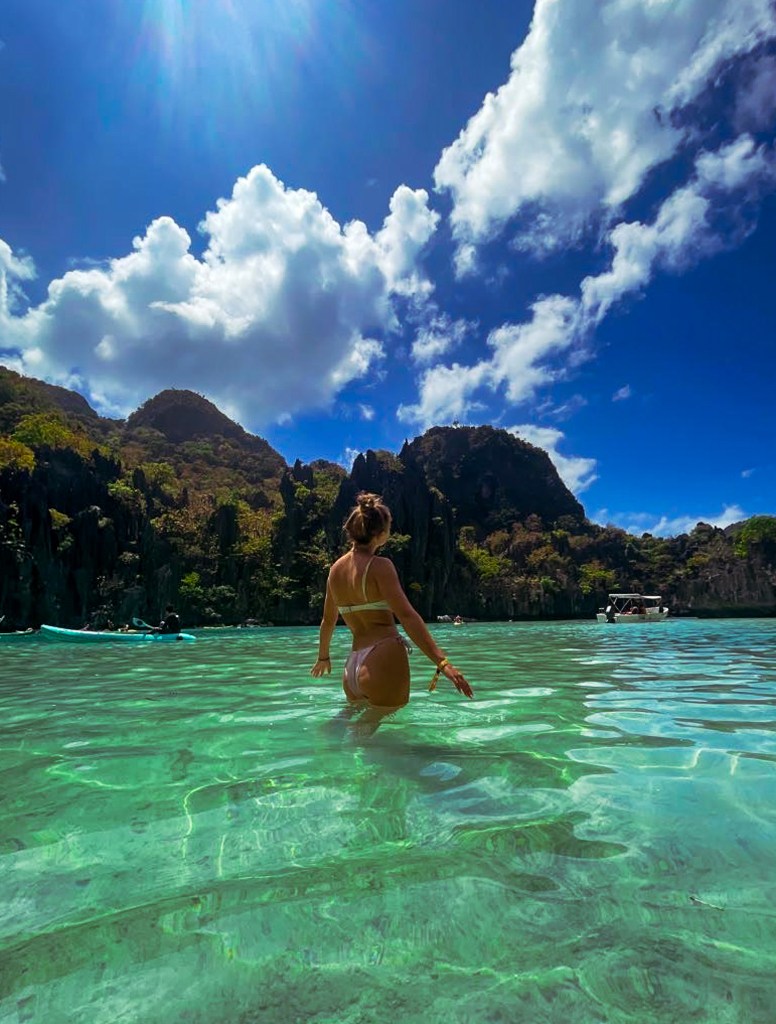
Sail between Coron and El Nido … eat authentic Filipino food … kayak around Twin Lagoon … swim with Whale Sharks … hike to stunning viewpoints like the Chocolate Hills … zipline from one island to another. There are so many bucket list experiences to cross off your bucket list in the Philippines!

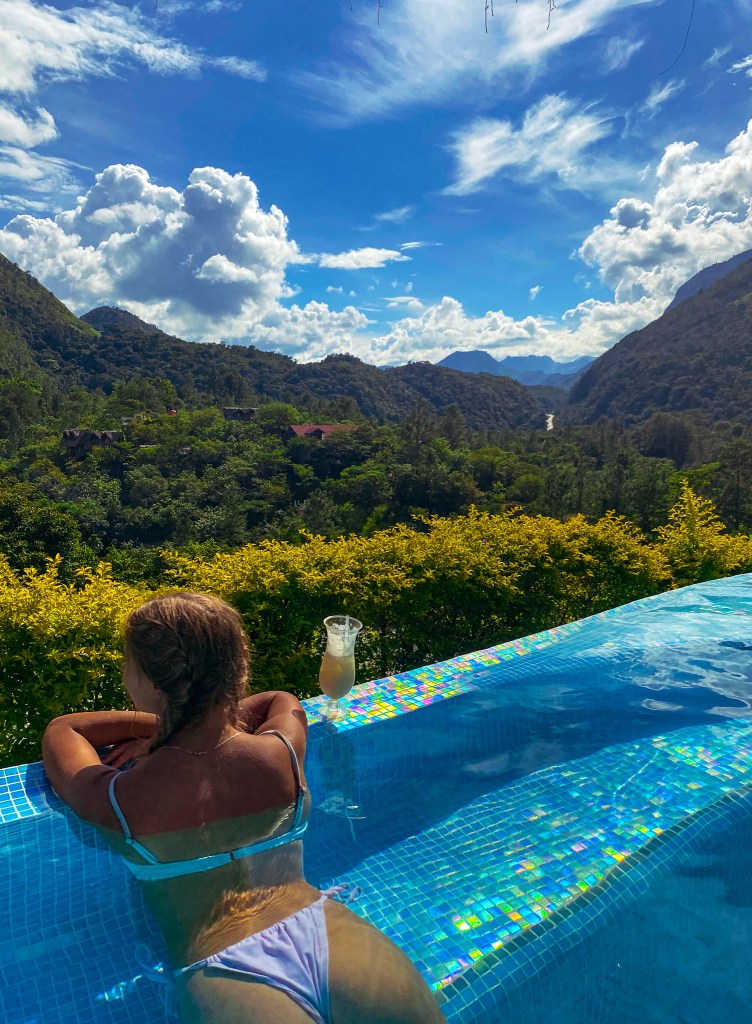
HEALTH NOTE: Avoid drinking the water in the Philippines! There is often bacteria in the water in Southeast Asia that can make stomachs that aren’t used to it very upset. What to do to avoid getting sick:
- Fill your water bottle with filtered water, not tap water (always available in hostels)
- If you are served ice with holes in the middle, it is safe to drink – avoid drinking water with ice that doesn’t have holes
- Brush your teeth with filtered water
- Do not drink your shower water
- Be careful with purchasing salads, fresh fruits, or vegetables – they may have been washed in unfiltered water, so either stick to things with peels or rewash them in filtered water.
What to Expect
Language: Tagalog
Currency: Philippine Peso
Electric Outlet: Type A or B (same as USA)
Banking: Mostly cash – ATMs available in cities
Transportation
Transportation in the Philippines is not formal, but quite trustworthy. There are SO many options so here’s a quick outline:
Taxis – These are the same as anywhere. Just a tip though: make sure to ask if a taxi is a standard price or metered – one may be better than the other for different distances.
Shuttles – Most hotels and hostels will provide these from airports or tours upon request. Just ask your accommodation before arriving or before a tour.
Buses – Buses, specifically on Cebu, are often your cheapest option for getting around. Just ask locals where the buses stop and then wave one down!
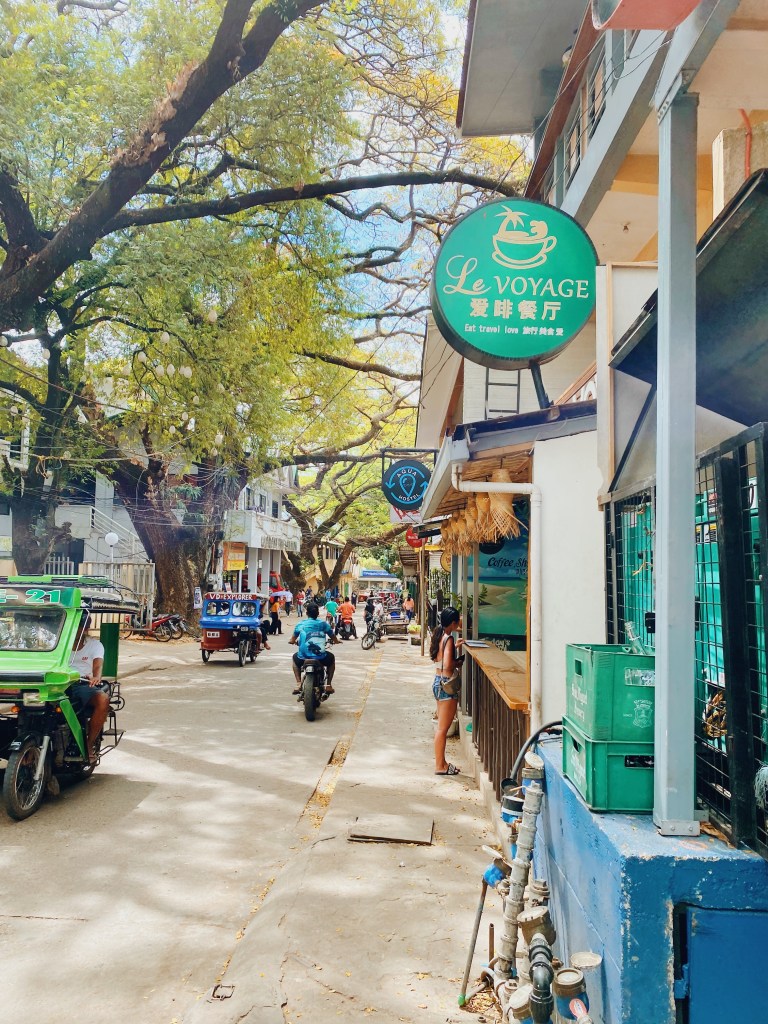
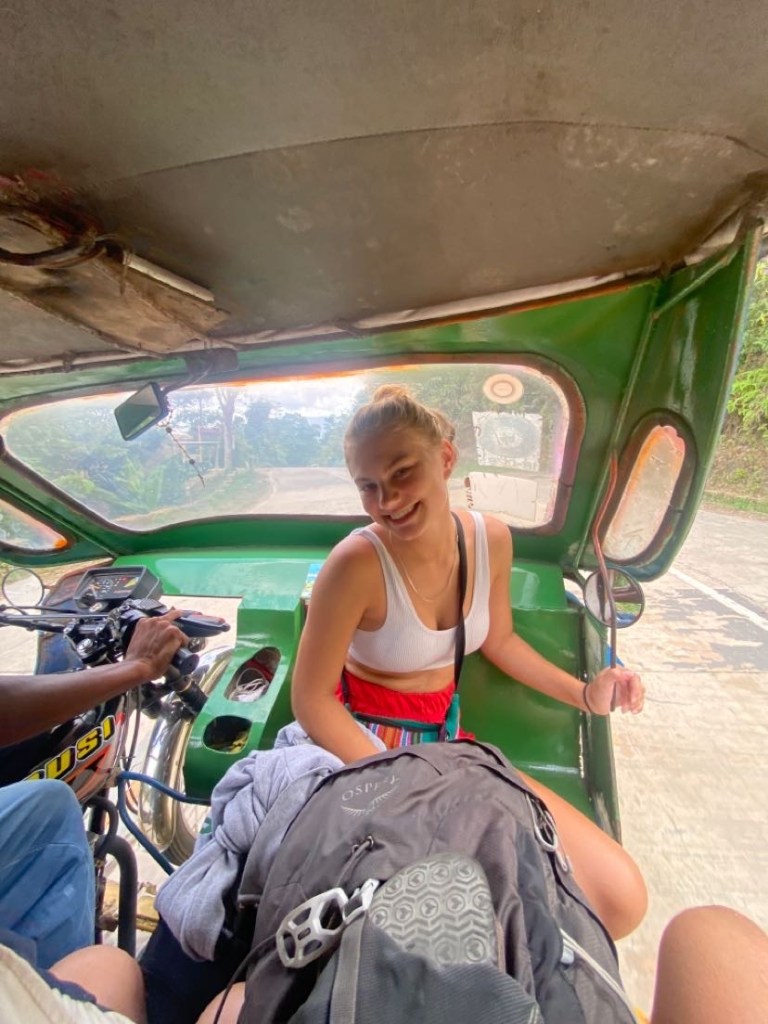
Tricycles – Similar to TukTuks, these little motor carts are perfect for getting around the island towns of the Philippines, especially when you have luggage.
Motor Bikes – Motor bike rentals are everywhere and they are cheap. Only $10-20 USD for an entire day and so much fun. Note: if someone honks at you it just means they’re trying to pass you – don’t read it as a bad thing!
Ferries – Ferries are a good way to get between different islands. You can just book at a port, otherwise 2Go is a popular site for booking ahead of time.
Cost
Philippines is a pretty cheap country to visit. I budgeted about 3,000 pesos per day (equal to about $55 USD) including accommodation. If you are staying in hostels, anticipate paying about $7-20 USD per night. Most transactions will be made with cash, so be sure to take out plenty whenever you find an ATM.
NOTE: Once you are on an island, life is quite cheap, however, traveling between islands is going to be the most expensive part of your trip. Be sure to budget for any flights or ferries you might decide to book!
When to Visit
The temperature in the Philippines is relatively stable, maintaining a comfortable to warm climate all year round.
There are three seasons: Cool and Dry Season (Dec-Feb), Hot and Dry Season (Mar-May), and Rainy Season (Jun-Nov).
The Philippines are located on the Typhoon Belt and the country experiences an average of 19 typhoons each year.


 Sylvia's Gap Year